Affiliate Disclosure: As an Amazon Associate, we earn from qualifying purchases. Clicking our links costs you nothing extra and helps us keep reviewing products for free.
# Buying Tip
Before purchasing high chairs or feeding accessories, confirm they're compatible with your baby's developmental stage and check that any removable parts are dishwasher-safe, since sterilization becomes increasingly important as babies transition to solid foods around 6 months old.
Our team evaluates baby products for safety, usability, and value so you don't have to. Every recommendation is based on real research: customer reviews, expert opinions, and value for money. Learn more about us →
Affiliate Disclosure: As an Amazon Associate we earn from qualifying purchases at no extra cost to you.
```html
Most babies are ready to start solid foods around 6 months of age, though some may show signs of readiness as early as 4 months. The American Academy of Pediatrics recommends waiting until your baby shows developmental signs of readiness, can sit upright with minimal support, and has lost the tongue-thrust reflex that pushes food out of their mouth.
The Short Answer
The general guideline is to introduce solids around 6 months old, but every baby develops at their own pace. Look for signs of readiness rather than relying solely on age—your baby should be able to hold their head up steadily, show interest in food, and be able to move food from the front to the back of their mouth. If you're unsure whether your baby is ready, consult with your pediatrician before making the transition.
The Full Explanation
Introducing solid foods is a major developmental milestone, and timing matters for both nutritional and safety reasons. Before 4 months, babies lack the physical and digestive development necessary to handle solid foods safely. Their digestive systems are still maturing, and they rely on breast milk or formula for complete nutrition.
Around 4-6 months, many babies begin showing signs they're ready for solids. These signs include:
Sitting up with minimal support and good head control
Loss of the extrusion reflex (the automatic tongue-thrust that pushes food out)
Increased interest in food—reaching for it or watching others eat intently
Ability to move food from the front of the mouth to the back for swallowing
Doubling of birth weight and weighing at least 13 pounds
Starting solids too early increases the risk of choking, allergic reactions, and digestive issues. Waiting too long may delay important nutritional development and can make the transition harder. The sweet spot for most babies is right around 6 months, when multiple developmental milestones typically align.
When you do start, introduce one single-ingredient food at a time—typically iron-fortified baby cereal or a pureed vegetable or fruit. Wait 3-5 days before introducing a new food to watch for allergic reactions or digestive upset. This gradual approach helps you identify any foods that cause problems and allows your baby's digestive system to adjust gradually.
What the Experts Say
The American Academy of Pediatrics (AAP) states that exclusive breastfeeding or formula feeding for about the first 6 months is ideal for most infants. However, they also note that readiness signs are more important than age alone. The World Health Organization similarly recommends introducing complementary foods around 6 months while continuing breast milk or formula.
Pediatric nutritionists emphasize that starting solids is about introducing your baby to new textures, tastes, and experiences—not replacing milk nutrition immediately. Breast milk or formula should remain the primary nutrition source until at least 12 months of age, with solids playing a supplementary role initially.
The Product Solution
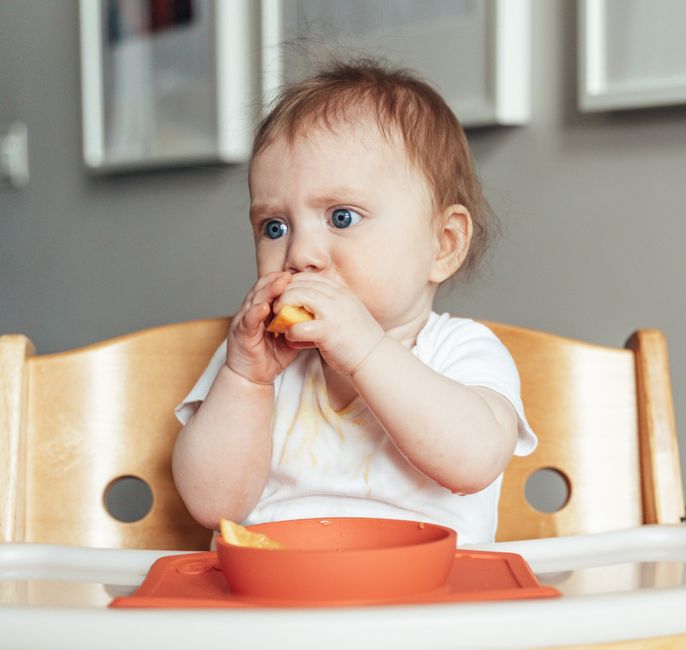
A quality high chair becomes essential once you're ready to introduce solids. It provides a safe, designated space for your baby to eat, keeps them at the right height for feeding, and makes cleanup easier as you navigate this messy new phase. A good high chair supports proper posture and positioning, which is important for safe swallowing as your baby learns to eat.
Most babies are ready for solid foods around 6 months of age, though some may show signs of readiness as early as 4 months. The American Academy of Pediatrics recommends waiting until your baby can sit up with minimal support, has lost the tongue-thrust reflex, and shows interest in food before introducing solids.
What are the signs my baby is ready for solid food?
Key readiness signs include sitting upright with little to no head wobbling, reaching for food and putting objects in their mouth, and loss of the reflex that pushes food out of their mouth. Your baby should also weigh at least double their birth weight and show curiosity when others are eating.
Should I start with rice cereal or vegetables?
Rice cereal mixed with breast milk or formula is traditionally recommended as a first food because it's easily digestible and less likely to cause allergies, though starting with pureed vegetables or fruits is also acceptable. There's no evidence that introducing vegetables first will make your baby dislike them later, so choose based on your pediatrician's guidance and what works for your family.
Is 4 months too early to introduce solids?
Most experts recommend waiting until 6 months, but some babies show readiness signs at 4-5 months and can safely start solids if they meet all developmental milestones. Always consult your pediatrician before introducing solids before 6 months, as starting too early may increase choking risk and digestive issues.