Affiliate Disclosure: As an Amazon Associate, we earn from qualifying purchases. Clicking our links costs you nothing extra and helps us keep reviewing products for free.
Invest in adjustable storage solutions like closet organizers with expandable shelves and modular bins, since babies grow rapidly and their gear needs change month-to-month, allowing you to repurpose the same organizational system rather than replacing it. This flexibility also makes it easier to rotate seasonal clothing and safely store items you've outgrown but may need for a future child.
Our team evaluates baby products for safety, usability, and value so you don't have to. Every recommendation is based on real research: customer reviews, expert opinions, and value for money. Learn more about us →
Affiliate Disclosure: As an Amazon Associate we earn from qualifying purchases at no extra cost to you.
```html
What Is the Best Way to Organize a Nursery for a Newborn?
The best way to organize a nursery is to create distinct zones for sleeping, changing, and storage while keeping everything within arm's reach and maintaining a safe, clutter-free environment. Prioritize functionality over aesthetics, arrange furniture to maximize safety, and use vertical storage to keep the room organized without overwhelming the space.
The Short Answer
Organize your nursery by dividing it into functional zones: a sleeping area with the crib as the focal point, a changing station stocked with essentials, and dedicated storage for clothing, diapers, and gear. Keep frequently used items at waist height for easy access during late-night care, use labeled bins and organizers to maintain order, and ensure clear pathways to prevent tripping while holding your baby. Safety should be your primary concern—secure furniture to walls, remove clutter, and maintain appropriate temperature and lighting.
The Full Explanation
Start With the Sleep Zone
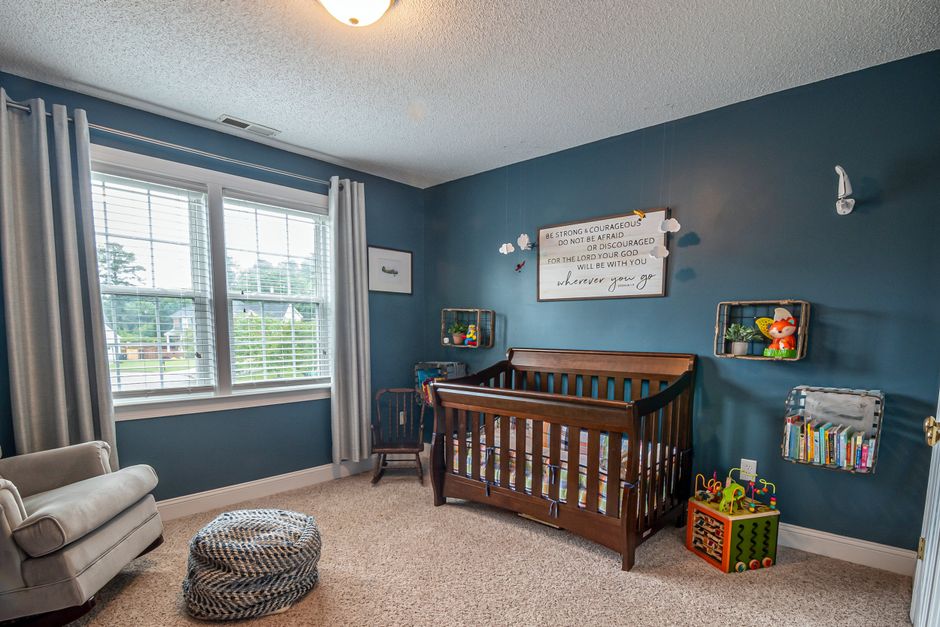
Position the crib away from windows, blinds, cords, and radiators. Place it against a solid wall to minimize drafts and create a contained sleeping environment. Keep a small nightstand or shelf nearby for essentials like a monitor, humidifier, and a dim nightlight. This zone should feel calm and separate from busier areas of the room.
Create a Functional Changing Station
Set up a dedicated changing table or dresser with a changing pad on top. Store diapers, wipes, diaper cream, and a small trash can within immediate reach. Consider a wall-mounted organizer above the changing station for quick access to supplies during diaper changes. Keep this area well-lit and away from direct sunlight to prevent overheating during changes.
Organize Storage Strategically
Use a combination of open shelving, closed cabinets, and labeled bins to store clothing, blankets, and gear. Store newborn and 0-3 month clothes in the most accessible locations, as these are what you'll use immediately. Organize by category and size to quickly find what you need during middle-of-the-night diaper explosions. Vertical storage keeps the floor clear and maximizes limited nursery space.
Optimize Layout for Nighttime Navigation
Arrange furniture to create a clear pathway from the door to the crib. Use soft, ambient lighting like a dimmable nightlight or small lamp to help you navigate without full overhead lights. Keep a small basket on or under the changing table for items you'll need during nighttime changes—this prevents you from having to search for supplies.
Implement Safety First
Secure heavy furniture like dressers and changing tables to walls to prevent tipping. Remove all cords, blind strings, and small objects that could pose choking hazards. Maintain comfortable room temperature (68-72°F is ideal), ensure good air circulation, and keep the room free of clutter. Use fitted sheets and keep the crib bare except for an approved sleep sack.
What the Experts Say
The American Academy of Pediatrics recommends that nurseries be kept simple and uncluttered, with the crib as the only essential furniture piece in the sleeping area. Child safety experts emphasize that organization should never compromise safety—every item stored should be securely contained and inaccessible to curious toddlers as your baby grows. Professional organizers specializing in baby spaces recommend using the "zone method," which separates care activities into distinct areas to create logical workflow and reduce stress during nighttime routines. Pediatric sleep consultants note that a well-organized nursery promotes better sleep for both baby
As an Amazon Associate I earn from qualifying purchases.
What furniture do I actually need in a newborn nursery?
The essentials are a safe crib or bassinet, a dresser for clothes and supplies, and a comfortable chair for nighttime feedings and bonding. You can skip decorative furniture and focus on functional pieces that serve multiple purposes, like a dresser with a changing pad on top to save space.
How should I organize baby clothes in the nursery?
Organize clothes by size and season in a dresser, keeping newborn and 0-3 month sizes most accessible since babies grow quickly. Use drawer dividers or small bins to separate onesies, pants, and sleepers, and store off-season clothing elsewhere to maximize limited closet space.
Where should I keep diapers, wipes, and supplies in the nursery?
Store diaper changing supplies in a caddy or basket on your changing table for one-handed access during changes. Keep a small backup stash of diapers, wipes, and essentials like diaper cream in a closet shelf or dresser drawer, but don't need to stock everything in the nursery since you'll use supplies throughout your home.
What storage solutions work best for a small nursery?
Use vertical storage like wall shelves, over-door organizers, and tall dressers to maximize limited floor space without crowding the room. Multi-functional furniture like storage ottomans or cribs with built-in drawers underneath help you store items while keeping the nursery calm and uncluttered for better sleep.