Photo: Yan Krukau / Pexels
Found this helpful? Share it!
Our team evaluates baby products for safety, usability, and value so you don't have to. Every recommendation is based on real research: customer reviews, expert opinions, and value for money. Learn more about us →
Look for a stroller with a fully reclined seat position that keeps your newborn flat, as infants under 6 months shouldn't sit upright, and verify the bassinet or seat can recline completely rather than just partially. Check that the stroller is lightweight enough for daily use but sturdy enough to handle uneven surfaces, since you'll be navigating both indoor stores and outdoor terrain regularly with a fragile newborn.
The best stroller for newborns and infants is one that combines a fully flat recline, proper support for a newborn's head and neck, and compatibility with your car seat for convenient transitions. Top-rated options like the Graco Modes Nest, UPPAbaby Vista, and Bugaboo Cameleon offer superior comfort, safety features, and versatility that meet the specific needs of young infants.
The ideal newborn and infant stroller should recline completely flat to support proper spinal alignment, include a reversible seat for parent-facing bonding time, and accommodate an infant car seat as part of a travel system. Look for models with excellent suspension, sturdy frames, and adequate storage. Premium options offer more features and longevity, while budget-friendly choices can still meet safety and comfort requirements if they include essential newborn-friendly features.
Why Full Recline Matters
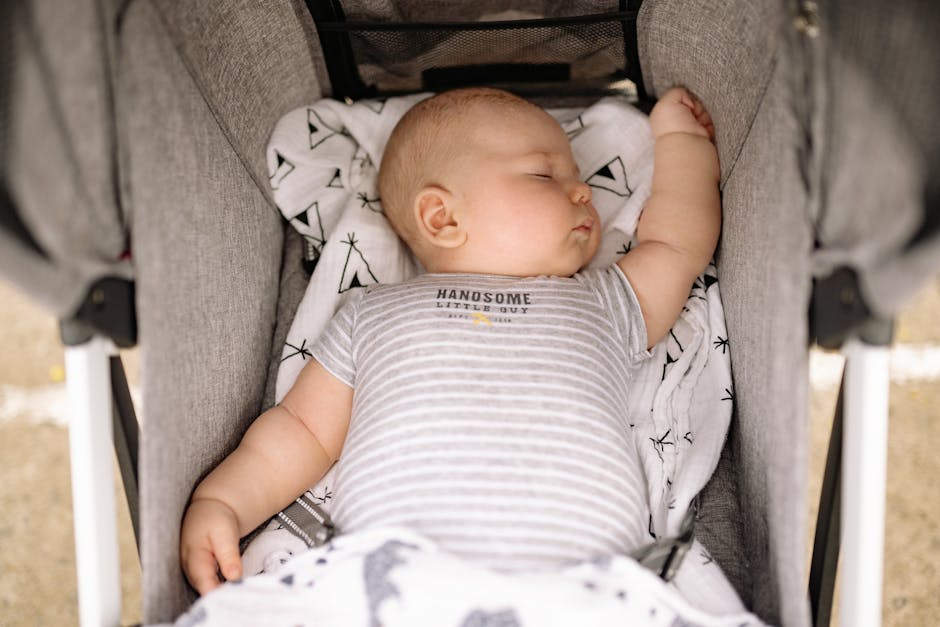
Newborns and infants cannot sit upright—their spinal development requires a completely flat or near-flat surface for safe riding. Any stroller marketed for newborns must offer a full recline position that allows your baby to lie completely horizontal. This prevents strain on developing vertebrae and airways, making it a non-negotiable feature for infants under 6 months.
Reversible Seating for Bonding and Safety
Many modern strollers feature reversible or parent-facing seats, allowing you to keep your newborn facing you during early months. This enables constant visual contact, easier feeding adjustments, and the ability to monitor your baby's breathing and comfort. As your child grows, you can reverse the seat for them to explore the world around them.
Travel System Compatibility
Travel system strollers accept infant car seats without removing the baby, streamlining car-to-stroller transitions. This is particularly valuable for newborns, as it minimizes disruption to sleep and eliminates the need to transfer a sleeping infant. The car seat clicks directly into a compatible stroller frame, creating a complete solution from hospital to home.
Weight, Maneuverability, and Storage
While durability is important, a stroller that's too heavy becomes cumbersome during daily use—especially when managing a newborn, diaper bag, and other essentials. Look for models weighing 20-30 pounds that still offer sturdy construction. Excellent suspension systems smooth out bumps on various terrains, and deep storage baskets are essential for accommodating the gear newborns require.
Fabric and Washability
Newborns are messier than parents expect—spit-up, diaper leaks, and food spills are inevitable. Choose strollers with removable, machine-washable seat covers and pads. UV-protective canopies are also important for protecting delicate newborn skin during outdoor use.
Pediatricians and child safety organizations consistently emphasize that newborns should never be placed in upright or semi-reclined positions in strollers. The American Academy of Pediatrics recommends full-recline strollers for infants under 6 months to prevent positional asphyxia and support healthy spinal development. Child development experts also note that reversible seating promotes secure attachment by enabling face-to-face interaction during critical bonding periods. Experienced parents and product reviewers consistently rate strollers higher when they prioritize ease of use—complicated folding mechanisms or difficult car seat attachments add frustration to an already demanding time with a newborn.
Look for a stroller with a fully reclined seat (newborns can't sit upright), excellent suspension for smooth rides, and a large canopy for sun protection. A reversible seat that faces you is also important since newborns benefit from being close to their parent's face during early months.
You can use a regular stroller if it reclines fully flat, but a travel system (stroller + car seat combo) is more convenient since you can transfer your sleeping newborn without waking them. However, if you already have a compatible infant car seat, you don't need to buy a full travel system.
Good newborn strollers range from $300-$800, with mid-range options ($400-$600) offering the best balance of safety, durability, and features. Budget strollers under $300 may lack proper support, while luxury models above $1000 offer premium materials but aren't necessary for basic functionality.
A pram (or carriage) is a flat bassinet-style bed ideal for newborns and lying flat, while a stroller converts to an upright seat for older babies. For newborns specifically, a pram or fully-reclining stroller is better, though many parents prefer convertible strollers that grow with their child.
| Retailer | Price Range | Shipping | Link |
|---|---|---|---|
| Amazon | Check Current Price | Free (Prime) | View on Amazon → |
| Walmart | Check Site | Free over $35 | Search → |
| Target | Check Site | Free over $35 | Search → |
Prices may vary. Click through to each retailer for current pricing.