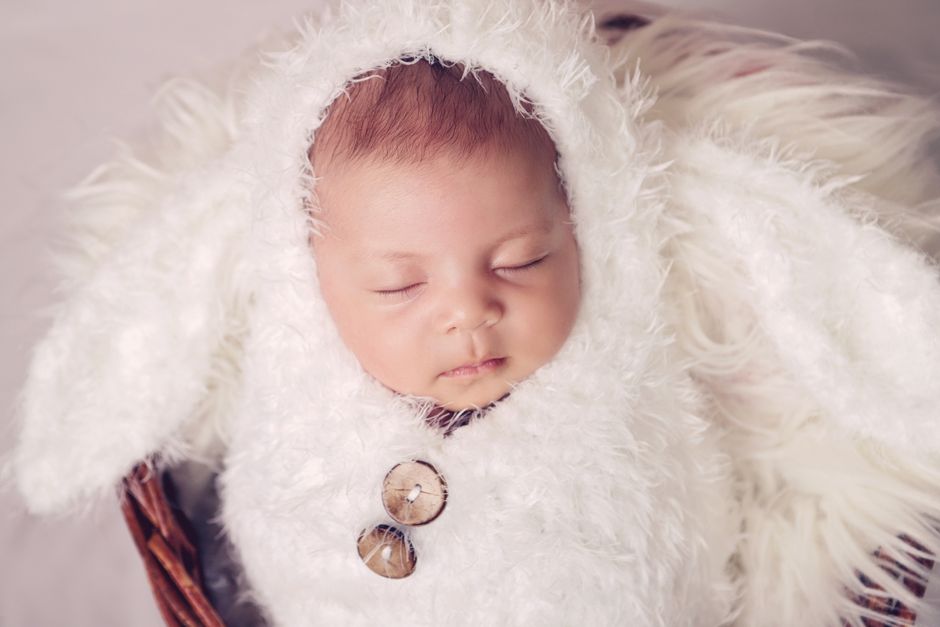
Photo: Medine Dilek Kizmaz / Pexels
Fall is the season of cozy blankets, earlier sunsets, and — if you're a new parent — nights that suddenly feel a whole lot longer. As daylight shrinks and the clocks change, your newborn's already-fragile sleep rhythm can get thrown completely off track. One minute your baby is drifting off at 7 p.m., the next they're wide awake at 4 a.m. staring at the ceiling like it's a matinee.
The good news? Newborns aren't broken when they wake — they're just wired for short sleep cycles and easily startled by silence. That's why sound-based soothing works so well. The rhythmic "shh-shh-shh" that parents instinctively make mimics the constant whooshing your baby heard for nine months in the womb, and it's the single fastest way to switch a fussy newborn into calm mode. The trouble is, your voice gets tired long before your baby does.
When evaluating How to Get Your Newborn to Sleep Through Longer Fall Nights: A Step, the key factors to consider are build quality, long-term durability, and whether it genuinely solves the problem it claims to address.
That's exactly the problem Baby Shusher was built to solve. Instead of a generic hum, it delivers a real human shushing rhythm at an adjustable pace and volume — so you can hand off the hard work and actually get some rest yourself. Below is our step-by-step shushing routine for those long autumn nights, and exactly how to fold a shushing device into it.
Two things change in autumn: light and temperature. Newborns don't have a mature circadian rhythm yet, but they do respond to light cues — and when the sun sets at 5 p.m., some babies get an early sleepy window, crash hard, then wake in the small hours ready to socialize. Add in the end of daylight saving time and a house that's cooler at 3 a.m. than it was in August, and you have a recipe for more night wakings. The fix isn't forcing a schedule your baby can't hold; it's building a predictable sensory cue that says "still nighttime, back to sleep." Consistent sound is the most reliable cue you can give, because unlike light or motion, it doesn't require you to be awake and functional.
Start with the basics: a fed, burped, freshly-changed baby in a room around 68–72°F, swaddled if they're not yet rolling. Then run this sequence. Step 1: Hold your baby upright against your chest, chin resting on your shoulder — this position alone calms most newborns. Step 2: Begin shushing loudly, actually louder than your baby's crying. This feels wrong, but a whisper can't compete with a wail; you need to match their intensity to get their attention. Step 3: As they start to settle, slow the rhythm and drop the volume gradually — this is the "downshift" that carries them into sleep. Step 4: Once drowsy, transfer to the bassinet with the sound still going. Step 5: Keep low, steady sound running through the first sleep cycle (about 45 minutes) so the sudden silence doesn't jolt them awake. That final step is where most parents fail, simply because their voice gives out.
This is the point in the routine where a dedicated device earns its keep. Baby Shusher plays a genuine recorded human shush rather than static or fan noise, which matters more than you'd think — babies respond to the human cadence, the rise and fall of a real voice, in a way they don't respond to flat noise. You control the tempo with a dial, so you can start fast and intense during a peak meltdown, then slow it down as your baby drifts. There's a built-in timer (typically 15 or 30 minutes) so it doesn't run all night, and it's small and portable enough to clip into the diaper bag, take to Grandma's for Thanksgiving, or use in the car when a fall road trip goes sideways. Many parents keep one in the nursery and a second in the stroller.
A shushing device works best as one piece of a repeatable wind-down. Aim for: dim lights an hour before bed, a warm bath or wipe-down, a fresh diaper and a full feed, swaddle, then shushing. Do it in the same order every night and your baby starts anticipating sleep before you even reach the crib. For the darker fall evenings, get your baby into bright natural light in the morning — a short walk works — to help anchor their day-night rhythm. And when the clocks change, shift bedtime in 10-15 minute increments over a week rather than all at once. Pair that gradual adjustment with the same familiar shushing sound your baby already associates with sleep, and the transition is far smoother. Sound consistency is the thread that holds a changing schedule together, which is why a purpose-built device like Baby Shusher tends to become the most-used item in the nursery.
If your newborn is fighting the longer, darker nights of autumn, the cheapest and fastest intervention isn't a new bassinet or a fancy monitor — it's consistent, well-timed sound. A structured shushing routine works, and having a device that can carry the rhythm after your voice gives out is what makes it sustainable night after night. For that specific job, Baby Shusher is our top pick: it's simple, portable, genuinely designed around how newborns calm, and it costs a fraction of what most sleep gadgets do. Add it to your fall wind-down routine and give it a solid week — most parents notice longer stretches well before then.
Shop Baby Shusher →Louder than you'd expect — initially it should be about as loud as your baby's crying so it cuts through, then gradually softened as they settle. Once your baby is calm, keep it at a moderate level (roughly the volume of a running shower heard from another room) and place the device a few feet from the bassinet rather than right beside your baby's head.
Most pediatric sleep guidance favors using sound for the settling period and the first sleep cycle rather than continuously all night. Baby Shusher's built-in timer handles this automatically — it runs long enough to get your baby through the vulnerable early stretch, then shuts off. If your baby wakes, you can simply restart it.
Shushing is most powerful in the first four to six months, when the womb-like sound reflex is strongest. Many families keep using it well into the toddler years as a familiar sleep cue for travel, illness, or schedule disruptions — there's no hard cutoff, and portability makes it useful long after the newborn stage.
Found this helpful? Share it!
Our team evaluates baby products for safety, usability, and value so you don't have to. Every recommendation is based on real research: customer reviews, expert opinions, and value for money. Learn more about us →
This post contains affiliate links. We may earn a commission if you purchase through our links at no extra cost to you.
← Back to Best Baby Picks Daily| Retailer | Price Range | Shipping | Link |
|---|---|---|---|
| Amazon | Check Current Price | Free (Prime) | View on Amazon → |
| Walmart | Check Site | Free over $35 | Search → |
| Target | Check Site | Free over $35 | Search → |
Prices may vary. Click through to each retailer for current pricing.