Affiliate Disclosure: As an Amazon Associate, we earn from qualifying purchases. Clicking our links costs you nothing extra and helps us keep reviewing products for free.
Check the fabric composition and care instructions before buying baby clothes in bulk, since frequent daily changes mean more laundry—prioritize breathable, machine-washable materials that can withstand frequent washing without fading or losing shape. Stock up on 7-10 basic onesies and 5-7 pairs of pants per size to accommodate 2-3 outfit changes daily without doing laundry constantly.
Our team evaluates baby products for safety, usability, and value so you don't have to. Every recommendation is based on real research: customer reviews, expert opinions, and value for money. Learn more about us →
Affiliate Disclosure: As an Amazon Associate we earn from qualifying purchases at no extra cost to you.
How Often Should I Change My Baby's Clothes Throughout the Day?
Most babies need their clothes changed 2-4 times per day, depending on spit-ups, diaper leaks, and accidents. However, the exact frequency depends on your baby's age, feeding method, and activity level.
The Short Answer
Newborns and young infants typically need their clothes changed 3-4 times daily due to frequent spit-ups, diaper blowouts, and feeding messes. As babies grow older (around 6+ months), you may reduce this to 1-2 intentional changes per day, plus additional changes as needed for accidents or spills. The key is changing clothes whenever they become wet, soiled, or visibly dirty to prevent diaper rash, skin irritation, and discomfort. Don't stress about changing clothes on a strict schedule—respond to your baby's needs instead.
The Full Explanation
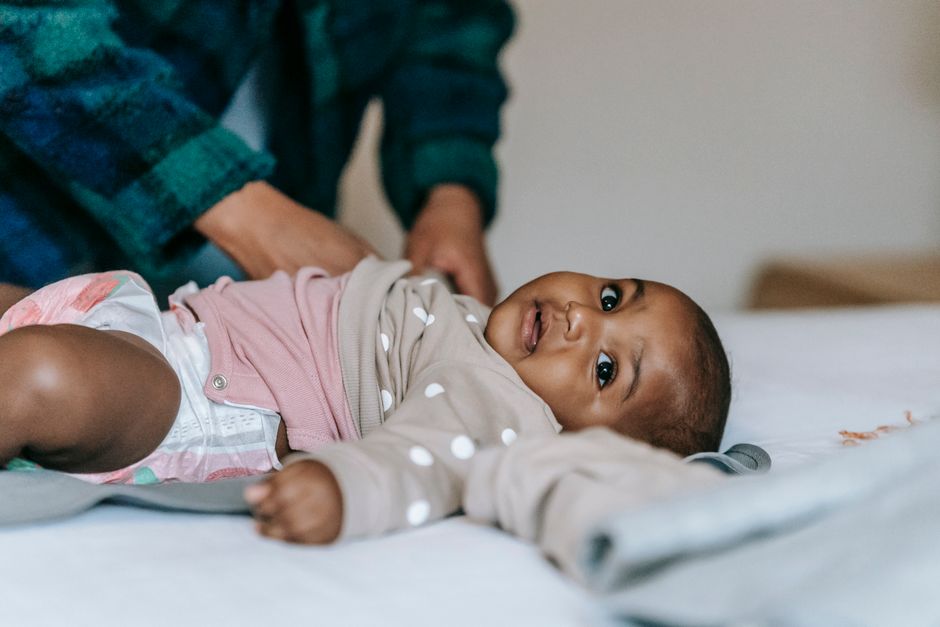
Newborns (0-3 months): Newborns are messy. They spit up frequently, experience diaper leaks, and may have blowouts that require complete outfit changes. Plan for 3-4 outfit changes daily, sometimes more. Keep multiple complete outfits easily accessible in your nursery and diaper bag.
Young Infants (3-6 months): As your baby's digestive system matures, spit-ups typically decrease. You'll likely need 2-3 outfit changes per day. However, if your baby spits up frequently or has sensitive skin, you may still need more frequent changes.
Older Babies (6+ months): Once babies are eating solid foods and their systems stabilize, you may only need 1-2 intentional outfit changes daily—typically a morning change and an evening change. Additional changes occur as needed for messes, drool, or play activities.
Activity-Based Changes: Beyond age-related changes, babies need clothes changed whenever: they spit up or drool excessively, diaper leaks occur, they play outside or get dirty, they get wet from water play or rain, or they sweat from being overdressed or overheated.
Signs Your Baby Needs a Clothes Change: Visible stains, wet fabric from spit-up or drool, dampness from sweat, soiled clothes from diaper accidents, or any clothing that looks uncomfortable or restrictive. Trust your instincts—if the outfit looks dirty or wet, change it.
What the Experts Say
Pediatricians recommend prioritizing comfort and hygiene over strict schedules. The American Academy of Pediatrics emphasizes that keeping babies dry and clean helps prevent skin irritation and diaper rash. Dermatologists note that leaving wet or soiled clothing against a baby's sensitive skin for extended periods can trigger rashes and infections. Most child development experts agree that babies don't need outfit changes for appearance alone—function and cleanliness are what matter. The goal is responsiveness, not rigid routine.
The Product Solution
Baby clothing sets are a practical solution for managing frequent outfit changes. Quality clothing sets typically include multiple coordinating pieces in various sizes, ensuring you always have clean options available. These sets are designed specifically for babies' needs, with features like easy snap closures for quick diaper changes, soft materials that protect sensitive skin, and durable fabrics that withstand frequent washing. Having a well-stocked collection of clothing sets means you can change your baby's outfit without constantly doing laundry. Browse baby clothing sets on Amazon
How many times a day should I change my baby's clothes?
Most babies need 1-2 clothing changes daily for normal days, but you should change them immediately if they spit up, have a diaper blowout, or get visibly dirty. Newborns may need more frequent changes if they're prone to spit-up or sweating, so keep 2-3 complete outfits readily available. Once your baby is a few months old, one change per day is usually sufficient unless accidents occur.
Should I change my baby's clothes every time they spit up?
Yes, you should change your baby's clothes if spit-up soaks through to their skin or the outfit, as wet clothing can make them uncomfortable and lead to rashes. Small spit-ups that only dampen the surface can often be wiped away with a cloth without a full outfit change. Keep a burp cloth handy and change proactively to minimize how many outfits you go through daily.
Do I need to change my baby's clothes for sleep?
You don't need to change your baby into special pajamas if they're already wearing comfortable, breathable clothing—many parents use the same outfit all day. However, if your baby has soiled their clothes or sweated through them, change into clean, appropriate sleepwear to keep them comfortable and reduce sleep disruptions. Having soft pajamas or sleep sacks designed for nighttime can help your baby sleep better and make nighttime diaper changes easier.
How many outfits should I have for my newborn?
Plan for at least 7-10 bodysuits and outfits so you can go 2-3 days between laundry loads, accounting for spit-up, diaper blowouts, and unexpected messes. Newborns in their first few weeks may need more frequent changes, so having extras prevents you from doing laundry every single day. Include a mix of sizes since babies grow quickly—start with newborn and 0-3 month sizes.