By Best Baby Picks Daily • July 22, 2026 • Contains affiliate links
Affiliate Disclosure: As an Amazon Associate, we earn from qualifying purchases. Clicking our links costs you nothing extra and helps us keep reviewing products for free.
Parents and educators face a genuine choice when selecting sensory learning tools: busy boards, sensory bins, and sensory boards all support early childhood development, but they work in fundamentally different ways. Busy boards teach practical life skills through structured activities like zippers and latches. Sensory bins offer open-ended exploration with loose materials like kinetic sand or water beads. Sensory boards prioritize multi-sensory stimulation through textures, sounds, and visual elements. The best choice depends on your child's age, developmental stage, learning style, and specific needs—including whether they're neurotypical, on the autism spectrum, or have sensory processing differences.
Consider your child's age and motor skill level when choosing between these tools: busy boards work best for older toddlers (18+ months) developing fine motor skills, sensory bins suit exploratory learners but require more supervision and cleanup, while sensory boards offer a contained middle ground for babies 6-12 months beginning to grasp and manipulate objects. Check that whatever you select has secure, non-toxic materials and no small detachable parts that could pose choking hazards, especially if you have multiple children of different ages using it.
This guide breaks down the real differences between these three tool types, examines what makes each one effective, and helps you determine which option—or combination—will genuinely support your child's growth. Rather than declaring one "best," we'll explore the actual trade-offs and ideal use cases for each.
Busy Boards (Activity/Fidget Boards)
Busy boards are wall-mounted or portable panels featuring latches, zippers, buttons, locks, buckles, and switches designed to mimic real-world tasks. Rooted in Montessori philosophy, these boards teach fine motor control, sequencing, and cause-and-effect learning through structured, purposeful activities. Each element has a specific developmental function: zippers teach hand coordination and sequencing, buttons develop pincer grip strength, and latches encourage persistence and problem-solving.
Quality busy boards like those from Joyrealtoys incorporate varied sensory elements—textured fabrics, mirrors, musical components—while maintaining organized, predictable interactions. The boards are typically designed for durability to withstand repetitive play, which is crucial for children who need intensive practice to develop skills or for those with autism who benefit from focused, structured engagement.
Best for: Children aged 12 months to 4 years; children with autism or sensory processing differences who benefit from structured, goal-oriented play; children developing practical life skills and fine motor control.
Sensory Bins (Loose Parts Play)
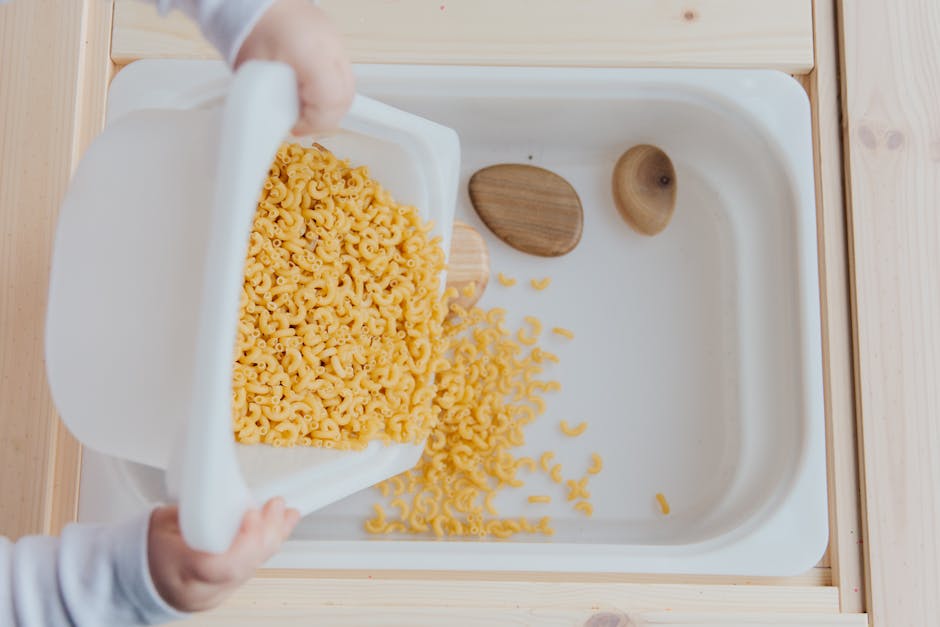
Sensory bins are containers filled with loose materials—rice, kinetic sand, water beads, pasta, or other safe substances—combined with scoops, small toys, and objects for exploration. This approach prioritizes open-ended, imaginative play where children direct their own learning through unstructured discovery. The tactile experience and variety of materials naturally engage multiple senses and encourage creative thinking.
Sensory bins are particularly effective for children who learn through exploration and hands-on experimentation rather than following predetermined activities. They support fine motor skill development through pouring, scooping, and manipulating materials, while also fostering independence and imaginative play without the "correct" way to use the toy.
Best for: Children who prefer open-ended, imaginative play; children learning through exploration and discovery; children aged 18 months and up; families with space for contained play stations.
Sensory Boards (Multi-Sensory Panels)
Sensory boards focus on simultaneous multi-sensory stimulation through diverse textures, sounds, lights, and tactile elements. Features include crinkly materials, sound-making buttons, spinning wheels, mirrors, soft fabrics, and various interactive components designed to provide auditory, visual, and tactile feedback in a single, integrated tool. This approach supports children with sensory processing differences by offering controlled, organized sensory input.
Sensory boards differ from busy boards in their emphasis on stimulation over skill-building; the goal is sensory engagement and regulation rather than teaching practical life tasks. They're particularly valuable for children with autism, sensory sensitivities, or developmental delays who benefit from targeted sensory input without the complexity of multiple learning objectives.
Best for: Children with sensory processing differences, autism, or developmental delays; children seeking calming, regulatory sensory input; children who need multi-sensory engagement without structured learning objectives.
Pros & Cons
Pros
✓ Busy boards teach transferable, real-world skills (zipping, buttoning, latching) that build independence and confidence.
✓ Sensory bins offer truly open-ended play that sparks creativity, imagination, and child-directed learning without "correct" answers.
✓ Sensory boards provide organized, controlled multi-sensory input ideal for children with sensory regulation needs or autism.
✓ All three tools support fine motor skill development, hand-eye coordination, and cognitive growth—just through different mechanisms.
✓ Busy boards and sensory boards are portable and space-efficient; sensory bins can be adapted to fit available space or stored between uses.
✓ Quality versions from brands like Joyrealtoys use non-toxic, durable materials and incorporate Montessori principles for developmental alignment.
Cons
✗ Busy boards can feel repetitive or boring to children who prefer open-ended play; some children exhaust the activities quickly once skills are mastered.
✗ Sensory bins require significant cleanup, storage space, and management of loose materials; they're messier than contained board options.
✗ Sensory boards may provide stimulation without teaching practical skills; children don't learn real-world tasks from engaging with abstract textures and sounds.
✗ All three tools require adult selection based on child age and developmental stage—choosing poorly can lead to boredom or frustration.
✗ Quality sensory toys represent a meaningful investment; cheaper versions often use substandard materials or lack the design thoughtfulness that makes them truly developmental.
Our Verdict
There is no single "best" option—the right choice depends entirely on your child's developmental stage, learning preferences, and your family's needs. Choose busy boards if: your child is 12 months to 4 years old, benefits from structured learning with clear objectives, needs to develop practical life skills, or has autism and thrives with predictable, organized activities. Busy boards from Joyrealtoys offer the advantage of Montessori-aligned design with integrated sensory elements, supporting both skill-building and sensory engagement.
Choose sensory bins if: your child prefers open-ended, imaginative exploration, learns best through discovery rather than instruction, or you have space for contained messy play. Sensory bins excel at fostering independence and creativity in ways structured boards cannot.
Choose sensory boards if: your child has sensory processing differences, autism, or needs calming regulatory input. The multi-sensory design of sensory boards provides organized stimulation without the learning complexity of busy boards, making them ideal for children whose primary need is sensory regulation rather than skill-building.
The strongest approach for many families combines tools: A busy board for structured skill-building, a sensory bin for open-ended exploration, and sensory elements integrated throughout both. This mix accommodates different moods, developmental needs, and learning preferences. For children with special needs or autism, pairing a specialized busy board with sensory tools provides both developmental benefit and regulatory support. Prioritize durability and thoughtful design over quantity—one high-quality busy board from Joyrealtoys will outperform several cheaply made alternatives.
Frequently Asked Questions
What age is each option appropriate for?
Busy boards are most effective for children aged 12 months to 4 years, though older children with developmental delays benefit significantly. Sensory bins suit children 18 months and up, with open-ended play suitable across ages. Sensory boards work for all ages, particularly supporting children with autism or sensory processing needs regardless of age.
Are busy boards better for children with autism?
Busy boards can be excellent for autistic children when they feature predictable, organized interactions and reduced overstimulation—like Joyrealtoys' autism-friendly designs. However, some autistic children may prefer the regulatory input of sensory boards or the open-ended nature of sensory bins. The best choice depends on the individual child's sensory profile and preferences.
How do I know which tool will actually hold my child's interest?
Observe your child's natural play patterns: Do they enjoy following instructions and mastering specific tasks (busy boards), exploring and creating without rules (sensory bins), or seeking calming sensory input (sensory boards)? Starting with one tool and observing engagement—not just initial novelty—helps identify the best fit. Many families find combining tools accommodates varied moods and needs.
Do sensory boards teach the same skills as busy boards?
No. Sensory boards prioritize sensory engagement and regulation, while busy boards teach practical life skills and problem-solving. Both support fine motor development, but through different mechanisms. Sensory boards excel at regulatory benefits; busy boards excel at skill-building and independence. The choice depends on your child's primary developmental need.
Why do some busy boards cost significantly more than others?
Higher-quality busy boards use durable, non-toxic materials, incorporate thoughtful Montessori design principles, and withstand intensive repetitive use. They feature integrated sensory elements (textures, mirrors, sounds) and child-sized latches that require precision engineering. Cheaper alternatives often break easily, contain low-quality materials, or lack the design detail that makes learning intuitive.
Can I make a sensory bin at home, or is a commercial version better?
Homemade sensory bins are effective and cost-efficient. However, you must ensure materials are safe (no small choking hazards), supervise closely, and manage cleanup. Commercial sensory bins sometimes include tools and organizational features that extend engagement, but the DIY approach is perfectly valid and often preferred by families comfortable with supervision and cleanup.
Our team evaluates baby products for safety, usability, and value so you don't have to. Every recommendation is based on real research: customer reviews, expert opinions, and value for money. Learn more about us →
This post contains affiliate links. We may earn a commission if you purchase through our links at no extra cost to you.