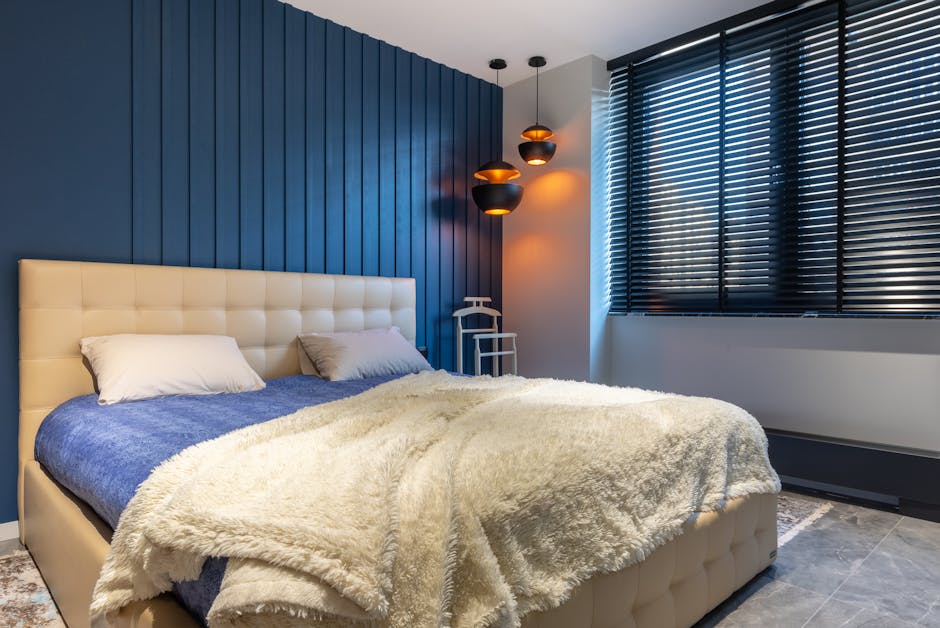
Photo: Max Vakhtbovych / Pexels
Found this helpful? Share it!
Check the shade's compatibility with your specific stroller model and car seat brand before purchasing, as attachment mechanisms vary widely and a universal fit isn't guaranteed despite manufacturer claims. Also verify the UV protection rating (UPF 50+ is ideal) and whether the material blocks heat effectively without trapping moisture that could create an uncomfortable microclimate for your baby.
Our team evaluates baby products for safety, usability, and value so you don't have to. Every recommendation is based on real research: customer reviews, expert opinions, and value for money. Learn more about us →
With summer daylight hours stretching past 8 PM in many regions, parents are desperate for solutions to keep nurseries dark for nap time—and cool during peak heat hours. Blackout thermal shades have become the must-have nursery upgrade as temperatures rise and extended daylight throws off baby sleep schedules.
Summer 2026 brings some of the longest daylight hours on record. Babies and toddlers are biologically programmed to sleep in darkness, but when the sun stays bright until evening, their circadian rhythms get confused. Parents report that afternoon naps have become impossible without complete blackout solutions. A quality blackout nursery shade eliminates this problem entirely, signaling to your baby's body that it's sleep time regardless of what the clock says.
Record-breaking temperatures mean nurseries heat up faster than ever. Thermal shades aren't just about darkness anymore—they're about keeping rooms 10-15°F cooler by blocking solar heat gain. This reduces your AC load, cuts energy costs, and creates a comfortable sleep environment without cranking the temperature to dangerous levels for sensitive skin.
The trend toward minimalism in nursery design means dual-purpose products are flying off shelves. Blackout thermal shades eliminate the need for separate blackout curtains, thermal liners, and temperature management systems. One shade does it all, saving money, space, and installation headaches.
Not all blackout shades are created equal. Look for products specifically rated 99.9% light-blocking. Anything less will allow light seepage, especially during peak summer hours. The shade should create near-total darkness—the kind where you genuinely can't see your hand in front of your face. This is non-negotiable for temperature-sensitive sleep schedules.
The thermal component is what sets these apart from regular blackout shades. Premium options feature multiple layers with air gaps designed to create insulation. Check product descriptions for R-values (insulation ratings) and materials like cellular constructions or reflective backing. The thicker and more engineered the thermal layer, the better your temperature control.
Nursery-specific shades must install securely without tools and be completely cordless to meet current safety standards (CPSIA regulations). Spring-loaded systems, tension rods, and adhesive-backed options work well. Verify that any moving parts can't pinch fingers and that the shade won't fall unexpectedly. Look for products designed specifically for windows (not generic thermal shades).
Nursery windows accumulate dust, spit-up residue, and sticky fingerprints. Choose shades with washable materials—microfiber, polyester, or vinyl-backed fabrics that can handle spot-cleaning without damage. Check durability ratings and warranty length (2-3 years is standard). Avoid anything that degrades in sunlight or becomes brittle with heat exposure.
For the most comprehensive blackout thermal solution, explore the full selection of blackout thermal window shades for nursery on Amazon. This curated collection features top-rated options with verified parent reviews, temperature-control specifications, and installation videos. Filter by your window size, installation method (adhesive, tension rod, or roller), and thermal rating to find your perfect match.
As an Amazon Associate I earn from qualifying purchases. ← Back to All ReviewsYes, blackout shades can reduce room temperature by 5-10°F by blocking direct sunlight from entering through windows. They work best when paired with other cooling methods like air conditioning, as they prevent heat gain rather than actively cool the space.
Blackout shades can significantly improve sleep by eliminating light, which triggers melatonin production in babies' brains. Darker rooms signal to your baby's body that it's time to sleep, making naps and nighttime sleep more consistent and potentially longer.
Quality blackout shades for a standard nursery window typically range from $40-$150 depending on the brand, materials, and installation type. Budget-friendly options start around $30, while motorized or custom options can exceed $300.
Most modern blackout shades designed for nurseries are cordless or have motorized controls specifically for child safety to prevent strangulation hazards. Always verify the product meets CPSC safety standards and choose cordless models or those with inaccessible cords for maximum protection.
| Retailer | Price Range | Shipping | Link |
|---|---|---|---|
| Amazon | Check Current Price | Free (Prime) | View on Amazon → |
| Walmart | Check Site | Free over $35 | Search → |
| Target | Check Site | Free over $35 | Search → |
Prices may vary. Click through to each retailer for current pricing.