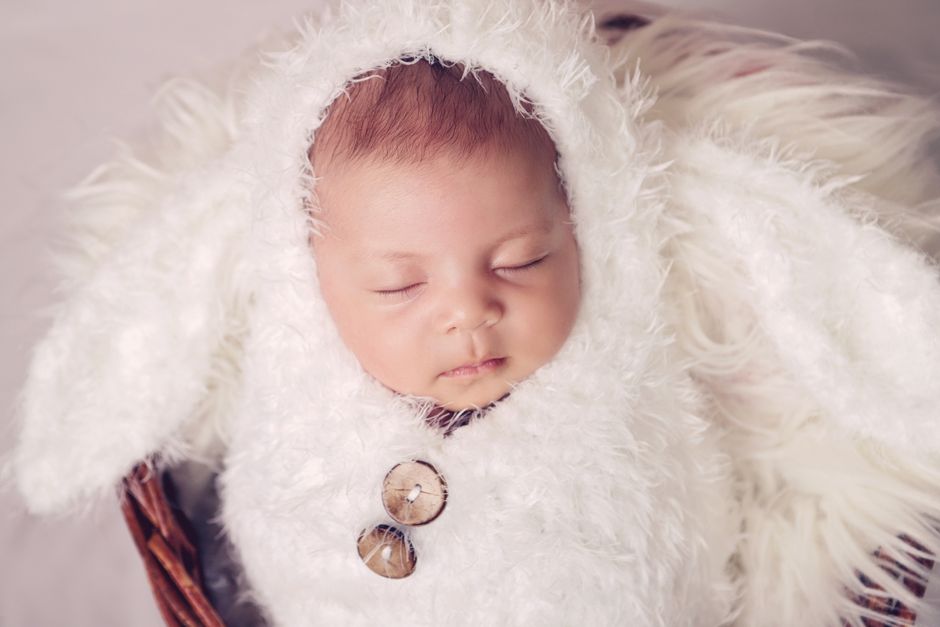
Photo: Medine Dilek Kizmaz / Pexels
Summer heat creates unique sleep challenges for infants. Babies cannot regulate body temperature as effectively as adults, and rising temperatures combined with increased environmental noise from open windows and outdoor activity can severely disrupt sleep quality and duration.
This guide compares the most effective approaches parents can use during hot summer months: white noise machines (particularly the Baby Shusher), traditional cooling strategies, and combination approaches. Each method has genuine trade-offs in cost, convenience, and effectiveness depending on your nursery setup and lifestyle.
Dedicated white noise machines like the Baby Shusher produce scientifically-calibrated shushing sounds designed to mimic the womb environment. These devices create a consistent acoustic backdrop that masks disruptive external sounds—traffic, neighbors, wildlife, air conditioning units—while activating the calming reflex in newborns aged 0–12 months. The frequency and volume are specifically engineered for infant hearing, unlike generic sound machines.
Baby Shusher's compact design makes it portable for travel, and units qualify for summer 2026 discounts up to 30% with bundle options available.
Best for: Parents dealing with external noise pollution, frequent night wakings from environmental sounds, or those needing a portable solution for travel and daytime naps.
Active cooling strategies address the root cause of summer sleep disruption: overheating. The ideal room temperature for infant sleep is 68–72°F. Achieving this may require air conditioning, fans, or strategic window management. Breathable bedding (sleep sacks instead of blankets) prevents overheating while maintaining safe sleep practices.
This approach requires no equipment purchase beyond what many homes already have, but controlling exact room temperature can be challenging depending on your climate and HVAC system.
Best for: Families in consistently hot climates, or parents prioritizing temperature control as the primary sleep barrier rather than noise disruption.
The most comprehensive approach combines white noise machines with active cooling and breathable bedding. This addresses both temperature regulation (the physical discomfort barrier) and acoustic disruption (the sensory barrier) simultaneously. Research shows this combination produces deeper, longer sleep cycles than either strategy alone during summer months.
The combination requires more planning and investment upfront but eliminates the guessing about which single factor most affects your individual baby's sleep.
Best for: Parents in hot climates with noisy neighborhoods, families struggling with multiple sleep disruptions, or those who want maximum evidence-based support for summer rest.
Smartphone apps or streaming services can produce white noise at minimal cost. However, these solutions have meaningful practical limitations: phones emit blue light that can suppress melatonin, require continuous power and cellular/WiFi connectivity, and may accidentally activate notifications or calls during sleep. The volume and frequency cannot be calibrated for infant hearing like dedicated devices.
This is a budget alternative but introduces multiple failure points compared to dedicated hardware.
Best for: Short-term, occasional use or travel situations where dedicated equipment isn't practical; not recommended as a primary summer sleep solution.
Longer summer daylight hours suppress melatonin production, making it harder for babies' circadian rhythms to signal sleep time. Blackout curtains address this by creating complete darkness regardless of sunset time. Combined with consistent sleep schedules, this addresses the circadian disruption component of summer sleep challenges.
This is a low-cost, passive intervention that requires no ongoing maintenance or power, but does not address heat or external noise directly.
Best for: Families in high-latitude regions with extremely long summer daylight, or as a supporting strategy alongside cooling and white noise solutions.
For most new parents struggling with summer infant sleep, a white noise machine paired with active cooling and breathable bedding is the most evidence-based approach. White noise machines like the Baby Shusher specifically address the acoustic chaos of summer (open windows, neighbors, outdoor wildlife, HVAC systems) that generic sound machines and phone apps cannot replicate safely. When combined with room temperature management (68–72°F target) and appropriate sleep attire, this combination directly tackles both the physical discomfort and sensory overstimulation barriers.
If noise is your primary concern and your room temperature is already manageable, a dedicated white noise machine alone justifies the investment—especially during 2026 summer sales offering 20–30% discounts. If you live in a quiet area but struggle with heat, prioritize cooling and breathable sleep sacks before purchasing additional equipment. Phone apps are false economy: the blue light, notification risks, and inability to calibrate frequency for infant ears make them inferior to either active cooling or a $40–50 white noise device. Blackout curtains are a supporting tool in high-latitude regions but insufficient alone for most summer sleep challenges.
The ideal temperature for infant sleep is 68–72°F. Achieving this may require air conditioning, strategic window management, or fans, depending on your climate. Temperature regulation is the first priority because overheating directly disrupts sleep physiology, independent of other factors.
Yes, when used appropriately. Dedicated white noise machines calibrated for infant hearing (like Baby Shusher) are safe for continuous use. Phone-based white noise is less ideal due to blue light and notification risks. Volume should never exceed 50 decibels, roughly conversation level.
Baby Shusher is engineered specifically for infant sleep, with frequency and volume calibrated for newborns aged 0–12 months. Generic sound machines often use inconsistent frequencies or volumes that can startle babies or provide less consistent masking of environmental noise. Baby Shusher's shushing sound also mimics womb acoustics, which research shows activates the calming reflex more reliably.
Fans create air circulation but do not lower room temperature. In hot climates, a fan alone is insufficient to reach the 68–72°F target. Fans are useful as a supplementary cooling strategy (improving air circulation) combined with AC, but not as a replacement for actual temperature reduction.
Most babies show improved sleep onset and duration within 3–7 nights of consistent white noise exposure. Some show immediate calming response. Consistency is key: use the same device at the same volume for naps and bedtime to reinforce the sleep association.
No, not as a primary solution. Phone apps introduce unnecessary risks: blue light suppresses melatonin, battery drain is unpredictable, and accidental notifications or calls can wake your baby. A $40–60 white noise machine (especially during summer sales) is safer and more reliable than a smartphone workaround.
Yes. White noise works well alongside breathable sleep sacks, blackout curtains, consistent schedules, and room cooling. In fact, the combination of temperature control + white noise + appropriate bedding produces better results than any single intervention alone during hot summer months.
This post contains affiliate links. We may earn a commission if you purchase through our links at no extra cost to you.
← Back to Best Baby Picks Daily Amazon