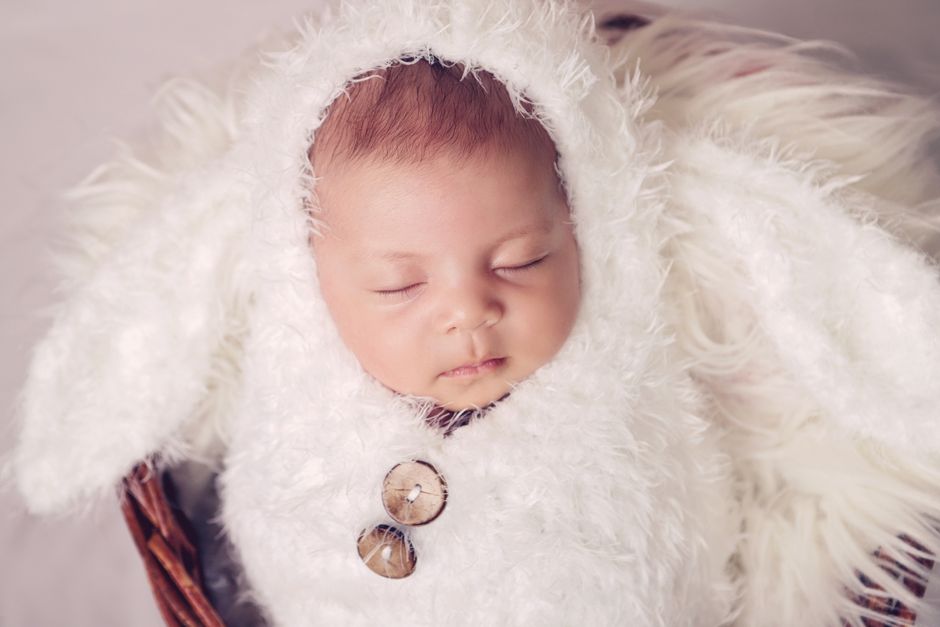
Photo: Medine Dilek Kizmaz / Pexels
At 2 a.m., with a screaming newborn in your arms, you don't care about brand loyalty — you care about what actually stops the crying. The two dominant categories of infant sleep aids are rhythmic shushing devices, led by the Baby Shusher, and continuous white noise machines like the Hatch Rest, the Yogasleep Dohm and the SNOOZ. They sound similar in marketing copy. In practice, they do two genuinely different jobs.
A shusher produces an intermittent, human "shhh" at roughly the rhythm of a heartbeat — it's an interrupter, designed to break a crying cycle in the moment. A white noise machine produces continuous, unchanging sound — it's a masker, designed to hold a sleeping baby asleep for hours by covering door slams, dogs and older siblings. Confusing the two is why a lot of parents buy the wrong thing and conclude "none of this works."
When evaluating Baby Shusher vs. White Noise Machine: Which Sleep Aid Actually Works for Newborns? (2026), the key factors to consider are build quality, long-term durability, and whether it genuinely solves the problem it claims to address.
Below is an honest breakdown of how the Baby Shusher compares with three of the most popular white noise machines on the market — including where it genuinely loses. Prices listed are typical US retail at the time of writing and do move around.
The Baby Shusher is a palm-sized, battery-powered device (2 AA batteries) that plays a recorded human voice repeating a rhythmic "shhh," with a variable speed dial and 15- or 30-minute timers. Its single trick is done well: the intermittent, voice-based rhythm mimics what a parent instinctively does, and it's noticeably more effective than flat static at interrupting an escalating cry — especially in the first 12 weeks, when the startle reflex and colic-ish evening fussing peak. It's also the most portable option here by a wide margin: no cord, no app, no Wi-Fi, and it clips to a diaper bag or car seat handle. Weaknesses are equally clear — the timer means it stops, the sound is loud and attention-grabbing rather than background, and some babies habituate to the voice after a few months. You can check current Baby Shusher pricing and models here.
The Hatch Rest is the all-in-one nursery device: white noise, brown noise, nature sounds, lullabies, a full-color night light, a time-to-rise setting for toddlers, and app/voice control. Where it beats the Baby Shusher is longevity and versatility — it grows with the child from newborn through the "stay in bed until the light turns green" preschool years, and it runs continuously all night. Where it loses: it needs a wall outlet (the standard Rest is not battery-powered), it depends on an app that many parents find slow or occasionally buggy, and Hatch pushes a paid Hatch+ subscription for premium content. It's also useless for on-the-go soothing. As a crib-side, all-night machine, it's the strongest all-rounder; as a portable cry-stopper, it isn't in the conversation.
The Dohm (formerly Marpac) is the analog purist's choice: an actual fan inside a housing, producing real moving air rather than a digital loop. There is no looping artifact, no Bluetooth, no app, no light — just a two-speed switch and a rotating collar to adjust tone. Audiophile parents and light-sleeping adults consistently rate its sound the most natural of any machine here, and it's the one many pediatric sleep consultants recommend for room-sharing because the tone is warmer and less hissy than cheap digital units. Its limits: it's mains-powered, bulky for travel, offers only white noise (no shushing, lullabies or light), and it's a mechanical device with a motor that will eventually wear out. Around $50, it's the best pure sound quality per dollar.
SNOOZ is the premium version of the Dohm concept — a real internal fan for genuine, non-looping noise, but with app control, a nursery calibration tool, a sleep timer and a much more refined, travel-friendlier shell. It's the quietest-running mechanically and offers the widest volume range, useful if you need to mask city traffic or thin apartment walls. The catch is price: at roughly triple the cost of a Baby Shusher and double the Dohm, you're paying for polish. It also can't shush, can't run on batteries, and won't fit in a diaper bag.
Baby Shusher and white noise machines aren't really competitors — they're complements. Shushing wins the transition from crying to calm; white noise wins the eight hours after that. Many families with a colicky newborn end up owning both: a $35 Shusher for the car, the stroller, restaurant meltdowns and the witching hour, plus a $50–$70 machine that runs on the nightstand all night. If your budget forces one choice, it comes down to whether your problem is getting the baby to settle or keeping them settled.
There's no single winner here — there's a right tool per job. If your newborn's problem is settling (witching-hour screaming, car seat meltdowns, restaurant fussing), the Baby Shusher wins outright at around $35 because it's rhythmic, voice-based and genuinely portable; nothing else on this list can go in a diaper bag. If your problem is staying asleep — a noisy street, thin walls, a toddler stomping past the nursery — buy a white noise machine instead: the Yogasleep Dohm at ~$50 for the most natural sound at the lowest price, the Hatch Rest at ~$70 if you want a night light and time-to-rise you'll still use in three years, or SNOOZ at ~$100 if you want fan-based sound with app control and don't mind paying for it. Honestly? Most parents of a colicky newborn end up with a Shusher and a machine, and that combination — roughly $85 total for a Shusher plus a Dohm — solves more nights than any single $100 device.
Shop Baby Shusher →Not really. The Baby Shusher runs on 15- or 30-minute timers and produces an attention-grabbing rhythmic sound rather than steady background noise. For all-night masking, a continuous machine like the Yogasleep Dohm or Hatch Rest is the better tool.
The same safety guidance applies to both: keep any sleep sound at or below roughly 50 decibels and place the device at least seven feet from the crib. The Baby Shusher can get quite loud at full volume, so it's designed to be held near you rather than parked in the crib.
The Hatch Rest, by a clear margin. Its night light and time-to-rise feature stay useful through the toddler and preschool years, while shushing devices are most effective in the first three to six months and a Dohm or SNOOZ simply keeps doing one job well.
Found this helpful? Share it!
Our team evaluates baby products for safety, usability, and value so you don't have to. Every recommendation is based on real research: customer reviews, expert opinions, and value for money. Learn more about us →
This post contains affiliate links. We may earn a commission if you purchase through our links at no extra cost to you.
← Back to Best Baby Picks Daily| Retailer | Price Range | Shipping | Link |
|---|---|---|---|
| Amazon | Check Current Price | Free (Prime) | View on Amazon → |
| Walmart | Check Site | Free over $35 | Search → |
| Target | Check Site | Free over $35 | Search → |
Prices may vary. Click through to each retailer for current pricing.