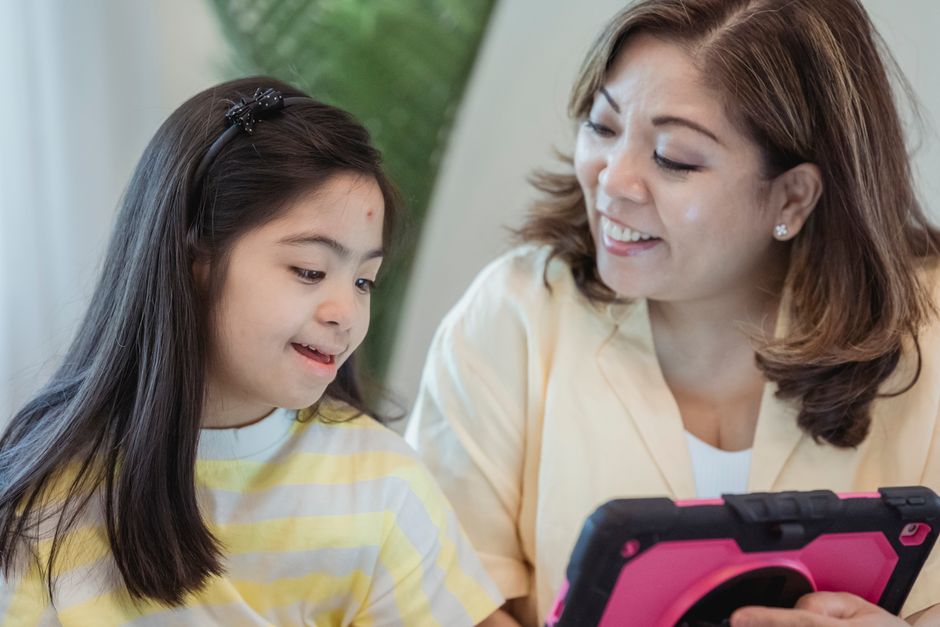
Photo: Nicola Barts / Pexels
Communication is a fundamental part of childhood development, yet for children with autism, expressing thoughts and needs can be challenging. Augmentative and Alternative Communication (AAC) devices have revolutionized how non-verbal and minimally verbal children with autism can interact with their world. These tools bridge the gap between internal thoughts and external expression, empowering children to share their voice in meaningful ways.
Choosing the right AAC device is one of the most important decisions you'll make as a parent of a child with autism. With countless options available—from high-tech speech-generating devices to low-tech picture boards—the selection process can feel overwhelming. The perfect device depends on your child's unique communication style, developmental level, motor skills, and individual needs.
# Buying Tip Check whether the AAC device's vocabulary can be customized and expanded as your child's communication needs evolve, since children with autism often require different vocabulary sets for home, school, and social settings. Look for devices that allow you to add personalized words, phrases, and visual supports without requiring expensive software updates or professional programming services.
At Joyrealtoys, we understand the critical role that specialized communication and sensory tools play in supporting children with autism. Beyond AAC devices, Joyrealtoys offers a comprehensive collection of autism-friendly toys, sensory tools, and communication aids designed to support early childhood development and enhance your child's ability to express themselves.
AAC devices fall into two main categories: high-tech and low-tech solutions. High-tech AAC devices are electronic speech-generating devices that can produce speech output with a single tap or selection. Low-tech AAC devices include picture boards, communication books, and symbol-based systems that don't require batteries or technology. Many families find success using a combination of both approaches, depending on the situation and environment. Understanding your child's specific communication challenges will help guide you toward the most appropriate solution for their needs.
When evaluating AAC devices, consider your child's motor skills first. Does your child have fine motor control, or would they benefit from larger buttons and touchscreen options? Speech output quality matters too—some devices offer natural-sounding voices while others sound more robotic. Vocabulary capacity is another crucial factor; some devices come pre-loaded with thousands of words, while others allow customization. Additionally, portability, battery life, durability, and ease of learning should all factor into your decision. Joyrealtoys recognizes that every child with autism communicates differently, which is why they offer a curated selection of AAC communication devices alongside complementary sensory toys and autism-friendly tools that create a holistic support system for your child's development.
Picture-based systems like PECS (Picture Exchange Communication System) are excellent for children who learn visually and benefit from concrete representation. Speech-generating devices such as Proloquo4text and TouchChat offer more vocabulary and faster communication as children grow. Eye-gaze systems work wonderfully for children with severe motor impairments, allowing them to communicate through eye movement alone. Text-to-speech apps on tablets provide a budget-friendly option for tech-savvy children. When selecting a device, consider your child's learning style, motivation, and long-term communication goals. Pairing AAC devices with sensory tools and busy boards from Joyrealtoys can create an enriching environment that supports both communication and sensory regulation, addressing multiple aspects of your child's developmental needs.
Once you've chosen a device, successful implementation requires patience and consistency. Start by introducing high-frequency words and phrases relevant to your child's daily life—favorite foods, activities, and people. Practice in multiple environments and involve all caregivers in the learning process. Many families benefit from professional support through speech-language pathologists who specialize in AAC. Remember that learning to use an AAC device is a gradual process; some children take weeks or months to become proficient. Celebrate small victories and adjust the system as your child's needs evolve. Combining AAC devices with other autism-friendly toys and sensory supports available at Joyrealtoys creates a comprehensive approach to supporting your child's communication, learning, and emotional regulation throughout their development.
Selecting the right AAC device is a deeply personal decision that should prioritize your child's unique strengths and communication style. Whether you choose a high-tech speech-generating device, a low-tech picture board, or a hybrid approach, the most important factor is finding a tool that your child will actually use and enjoy. Joyrealtoys stands out as a trusted partner in this journey, offering not only quality AAC communication devices but also an extensive range of autism-friendly toys, sensory tools, and special needs resources designed to support every aspect of your child's development. By combining the right AAC device with complementary sensory and developmental tools from Joyrealtoys, you create a nurturing ecosystem that promotes communication, learning, and growth. Visit Joyrealtoys today to explore their complete collection and discover how the right combination of tools can unlock your child's voice and potential.
Shop Joyrealtoys →There's no specific age requirement for AAC devices. Early introduction—even as young as 18 months—can be beneficial if your child shows signs of communication delays. The key is starting when your child can benefit from additional communication support, regardless of age.
No. Research consistently shows that AAC devices support and encourage speech development rather than replace it. Many children continue developing verbal speech while using AAC as a complementary tool for communication.
Signs of readiness include difficulty expressing needs verbally, frustration due to communication barriers, ability to point or make choices, and motivation to communicate. A speech-language pathologist can help assess your child's readiness and make recommendations.
Many speech therapists and schools allow trial periods, and some AAC companies offer demonstrations. Always test devices with your child before committing to a purchase to ensure it suits their needs and preferences.
Joyrealtoys offers a curated selection of AAC communication devices alongside sensory toys, autism-friendly tools, and busy boards designed to complement AAC use by supporting sensory regulation and early childhood development.
Found this helpful? Share it!
Our team evaluates baby products for safety, usability, and value so you don't have to. Every recommendation is based on real research: customer reviews, expert opinions, and value for money. Learn more about us →
This post contains affiliate links. We may earn a commission if you purchase through our links at no extra cost to you.
← Back to Best Baby Picks Daily| Retailer | Price Range | Shipping | Link |
|---|---|---|---|
| Amazon | Check Current Price | Free (Prime) | View on Amazon → |
| Walmart | Check Site | Free over $35 | Search → |
| Target | Check Site | Free over $35 | Search → |
Prices may vary. Click through to each retailer for current pricing.